
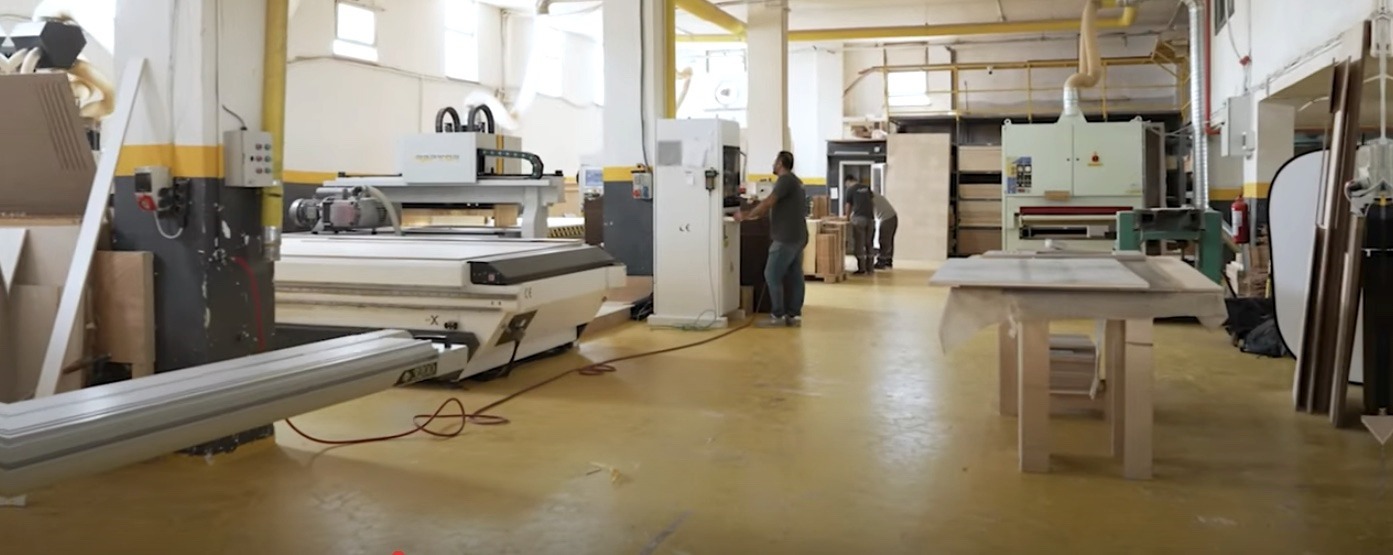
Introduction: Technology Meets Creativity
Scenic fabrication is the art of creating physical environments, sets, and props for theater, film, events, and themed attractions. Today, technology plays a critical role in enhancing this process. From design visualization to automated construction, modern tools help fabricators create more complex, precise, and immersive sets while saving time and resources.
1. 3D Design and Modeling
Digital Concept Visualization
Before any physical fabrication begins, designers use 3D modeling software to bring concepts to life digitally. Programs like AutoCAD, SketchUp, and Rhino allow designers to create accurate models, test spatial arrangements, and experiment with textures, colors, and lighting.
Prototyping and Simulation
3D models enable virtual simulations of set assembly, movement, and load-bearing capabilities. This reduces errors during fabrication and helps teams anticipate potential structural or design challenges.
2. CNC and Laser Cutting Technology
Precision in Fabrication
Computer-controlled CNC routers and laser cutters allow for precise cutting of wood, foam, metal, and plastics. These tools enable complex shapes and intricate designs that would be difficult or impossible to achieve by hand.
Efficiency and Consistency
CNC and laser technology ensures consistent results across multiple pieces, making repetitive or modular elements faster and easier to produce. This improves efficiency, reduces waste, and lowers production costs.
3. 3D Printing in Scenic Fabrication
Rapid Prototyping
3D printing enables fabricators to quickly create detailed prototypes, test designs, and make adjustments before full-scale production.
Complex Shapes and Customization
With 3D printing, designers can create intricate, one-of-a-kind set pieces, such as props, architectural details, or textured surfaces, that are difficult to craft using traditional methods.
4. Automation and Robotics
Assisted Assembly and Movement
Robotics and automated systems assist with lifting, assembling, or moving large scenic elements, improving safety and precision. Automated tools reduce manual labor and allow fabricators to work on more ambitious projects.
Integration with Mechanical Effects
Automation enables moving set pieces, animatronics, or interactive elements. Sensors, motors, and control systems can synchronize scene changes, enhancing audience engagement and the overall immersive experience.
5. Virtual Reality (VR) and Augmented Reality (AR)
Virtual Walkthroughs
VR technology allows designers and clients to explore a set digitally before fabrication. This ensures the design works in the intended space and allows for adjustments early in the process.
AR for On-Site Fabrication
AR can overlay digital designs onto physical spaces during construction, guiding fabricators for accurate placement and alignment. This minimizes errors and improves workflow efficiency.
6. Benefits of Technology in Scenic Fabrication
- Enhanced Precision: Digital tools allow for highly detailed and accurate designs.
- Faster Production: Automation and digital fabrication reduce manual labor and production time.
- Cost Efficiency: Minimizing errors and waste lowers overall project costs.
- Greater Creativity: Advanced technology allows designers to create more complex, immersive environments.
- Improved Safety: Automation and simulation reduce risks during construction and assembly.
Conclusion:
Technology has transformed scenic fabrication from a purely manual craft into a high-tech, precise, and creative discipline. By combining digital design, CNC cutting, 3D printing, automation, and VR/AR tools, scenic fabricators can produce more detailed, immersive, and innovative sets than ever before. In today’s theater, events, and theme park industries, technology is not just a tool—it is an essential partner in turning imagination into reality.


More Stories
How to Use a Loan Calculator to Compare Different Repayment Scenarios
Gold Price Today: Live Rates in South Africa (ZAR)
Gold Investment Strategies: How Investors Can Approach Gold Across Market Conditions