
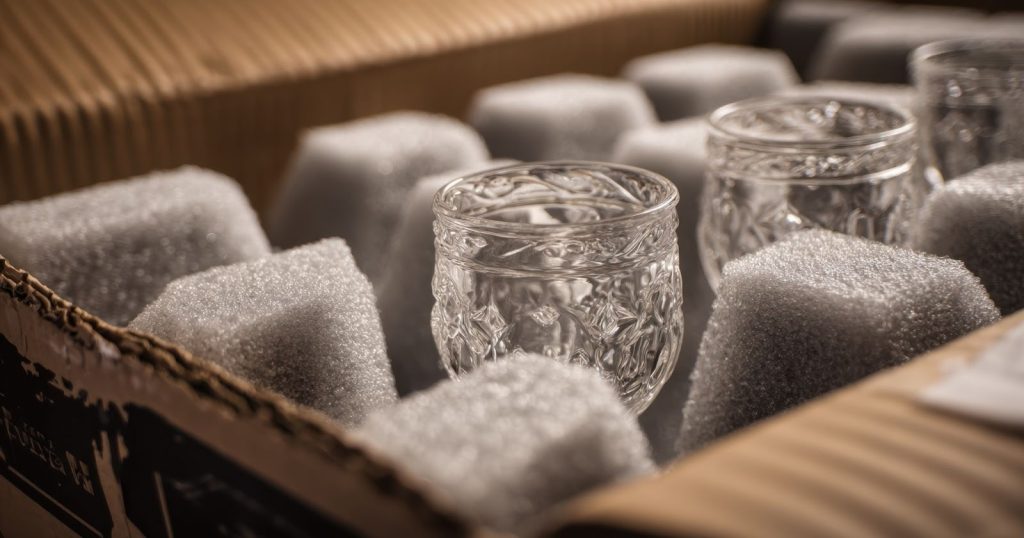
Foam packaging catches hell for ruining the planet. Those white packing peanuts show up, and everybody loses their minds about environmental destruction. Foam’s got baggage, sure, but half the stuff people believe about it ranges from outdated to completely wrong.
Myth One: All Foam Stays Forever
Folks swear every foam chunk sits in landfills until the sun burns out. But foam degrades at varying rates depending on its composition and location. Old-school petroleum foam? Yeah, that hangs around for generations. New plant-based versions? Gone in months if conditions work out. Some dissolve in water leaving nothing nasty behind. Others need special composting setups to disappear. Biodegradable EPS represents real progress though. According to the team at Epsilyte, it breaks down into harmless components when properly processed, giving companies a legitimate way to protect products without permanent waste.
Myth Two: Foam Never Gets Recycled
Recycling foam sucks, but not because it’s impossible. The material weighs nothing yet eats up enormous space. Hauling truckloads of mostly air to recycling plants burns money nobody wants to spend. Yet foam recycling happens daily, just quietly. Collection spots take clean foam and turn it into all sorts of stuff. Shipping companies grab their used foam back. Old foam transforms into insulation, picture frames, even new packaging. Works great when someone bothers setting it up. Money troubles kill foam recycling, not technical problems.
Myth Three: Paper Always Beats Foam
Paper looks like the hero next to evil foam. Trees regrow, paper rots, problem solved. Except that’s fantasy thinking. Paper mills consume water and electricity rapidly. Paper packaging is heavier, so trucks use more fuel. Get paper wet? Useless mush. So they coat it with plastic, killing any recycling dreams. Mills pump nasty chemicals into rivers. Forests get flattened, even with replanting. Running the actual numbers, foam sometimes trashes the environment less than paper, especially on long hauls.
Myth Four: Foam Packaging Wastes Space
Complainers say foam makes packages huge for no reason, wasting truck space and gas. They’re looking at garbage design, not foam problems. Modern foam fits like a glove around products. No wasted corners, no extra bulk. Since foam weighs basically nothing, trucks haul more actual products per load versus heavy alternatives. Good foam design shrinks shipping size and gas consumption. Bad designers waste space with any material; foam just gets picked on more.
Myth Five: Natural Materials Always Win
Mushroom packaging and corn peanuts sound perfect. Grown from nature, protect your stuff, then vanish without a trace. Sweet dreams. Reality check – growing packaging materials steals farmland from food crops. Converting plants to foam needs factories burning fuel and making waste. Natural foams go moldy, attract bugs, trigger allergies. Costs explode too, maybe five times regular foam prices. Customers pay those bills eventually. “Natural” means squat when the total environmental hit exceeds regular foam.
The Real Story
Foam isn’t Satan’s packaging material or humanity’s savior. Short trips with tough products? Skip foam entirely. Fragile electronics crossing oceans? Foam probably prevents more waste than it creates. Companies finally stopped picking sides and started picking solutions. Each shipment gets evaluated for what actually works. New foam formulas keep getting less terrible while protecting stuff better. Old foam problems have fixes sitting on shelves, waiting for someone to care enough to use them.
Conclusion
Myths about foam packaging derail useful conversations about shipping waste. Ancient foam deserved hate, but newer stuff addresses those sins. Paper and mushroom alternatives bring their own demons that foam might handle better. Progress needs honest math about all options, not fairy tales about evil foam or miracle alternatives. Solutions come from facts, and the facts say foam’s story isn’t black and white anymore.



More Stories
The Ultimate Guide to Thriving in Business Opportunities
7 Lucrative Business Opportunities for Beginners
Why These Business Opportunities Are Worth Your Attention